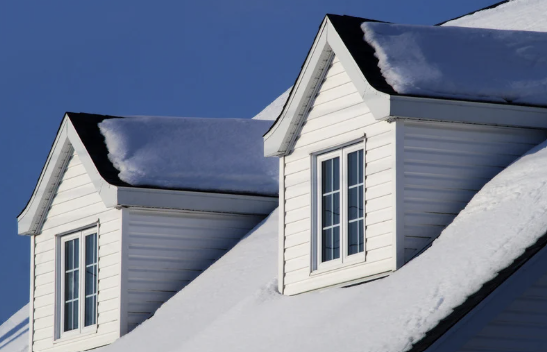
Winter in Pittsburgh is never gentle on a roof. Snow accumulation, ice dams, freezing rain, wind, and constant freeze-thaw cycles all place stress on roofing materials. While your home may look perfectly fine from the ground, the real condition of your roof often isn’t visible until the snow finally melts.
And that moment — right after winter breaks — is one of the most important times of year for a professional roof inspection.
At EAS Roofing – The Pittsburgh Roofer, we often tell homeowners: winter hides problems, but spring reveals them.

Why Post-Winter Roof Inspections Matter
Throughout the winter, snow and ice act like a blanket over your roof. Small cracks, lifted shingles, flashing gaps, and sealant failures are often concealed. Cold temperatures can temporarily slow leaks, giving homeowners a false sense of security.
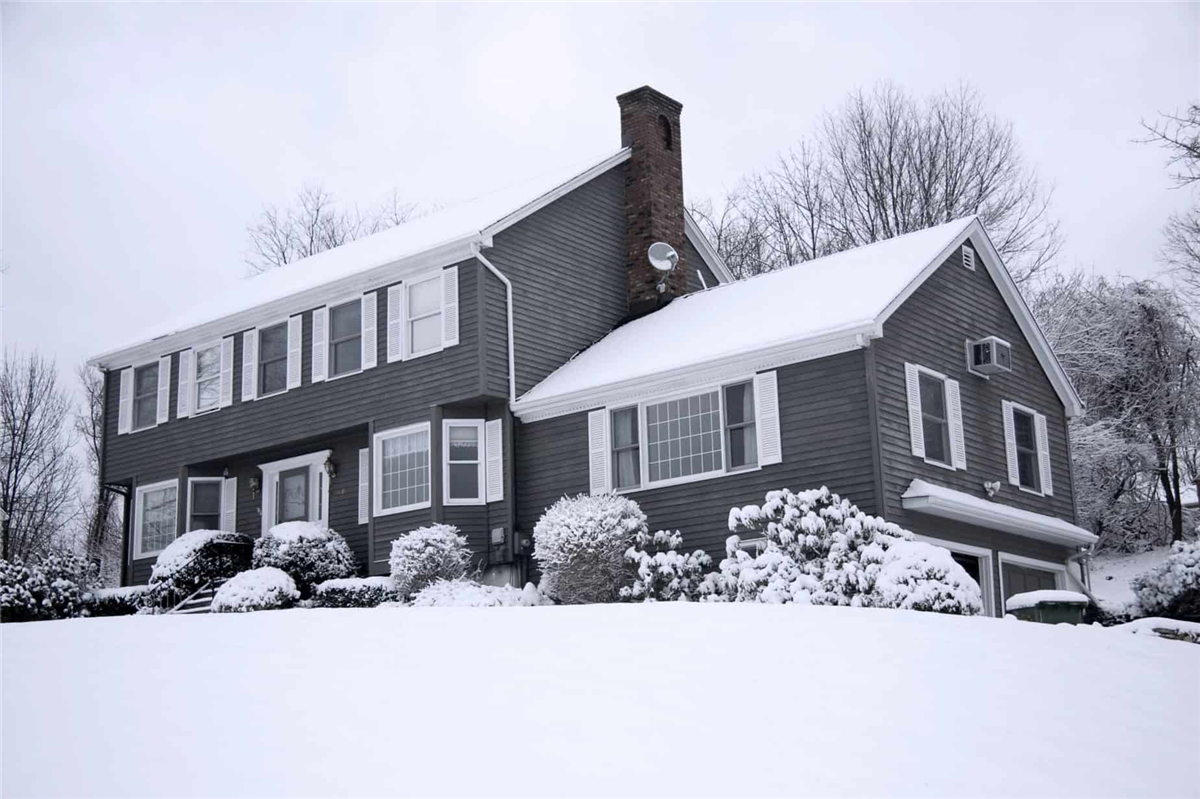
But when temperatures rise and snow begins to melt, water starts moving across the roof surface. Meltwater seeps into weakened areas and tests every seam, flashing joint, and penetration.
This is when hidden winter roof damage becomes visible.
Common post-winter roofing issues in Pittsburgh include:
Loose or wind-lifted shingles
Cracked or brittle shingles from freeze exposur
Flashing separation around chimneys and vents
Ice dam damage along eaves
Clogged or detached gutters
Soft spots in decking
Attic moisture buildup
Interior water stains
Even if you do not see active leaks, winter stress may have shortened the life of your roofing system.
The Freeze-Thaw Cycle: Pittsburgh’s Biggest Roofing Threat
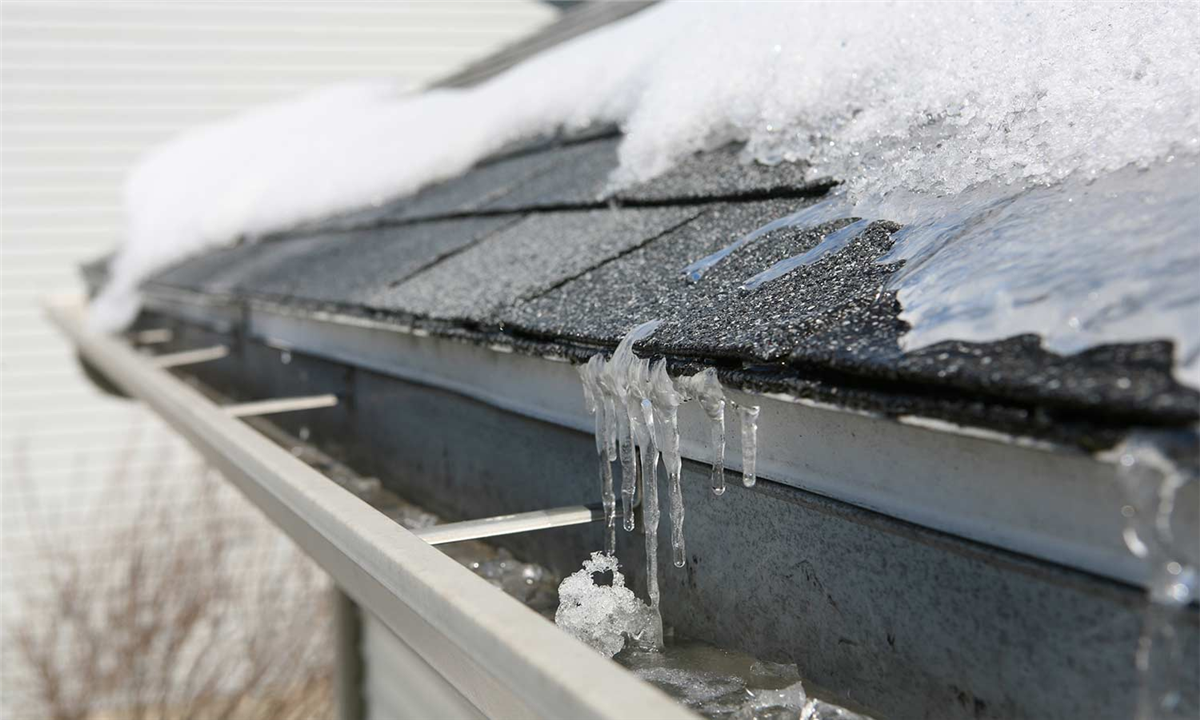
Pittsburgh winters are defined by temperature swings. Snow melts during warmer afternoons and refreezes overnight. This repeated expansion and contraction creates pressure beneath shingles and flashing.
When water seeps into tiny cracks and freezes, it expands. Over time, this process widens gaps and compromises the integrity of your roof.
By the time the snow disappears, your roof has been through dozens — sometimes hundreds — of these cycles.
A professional roof inspection after winter helps identify these weakened areas before they turn into major problems during spring rainstorms.
Ice Dams and Hidden Damage
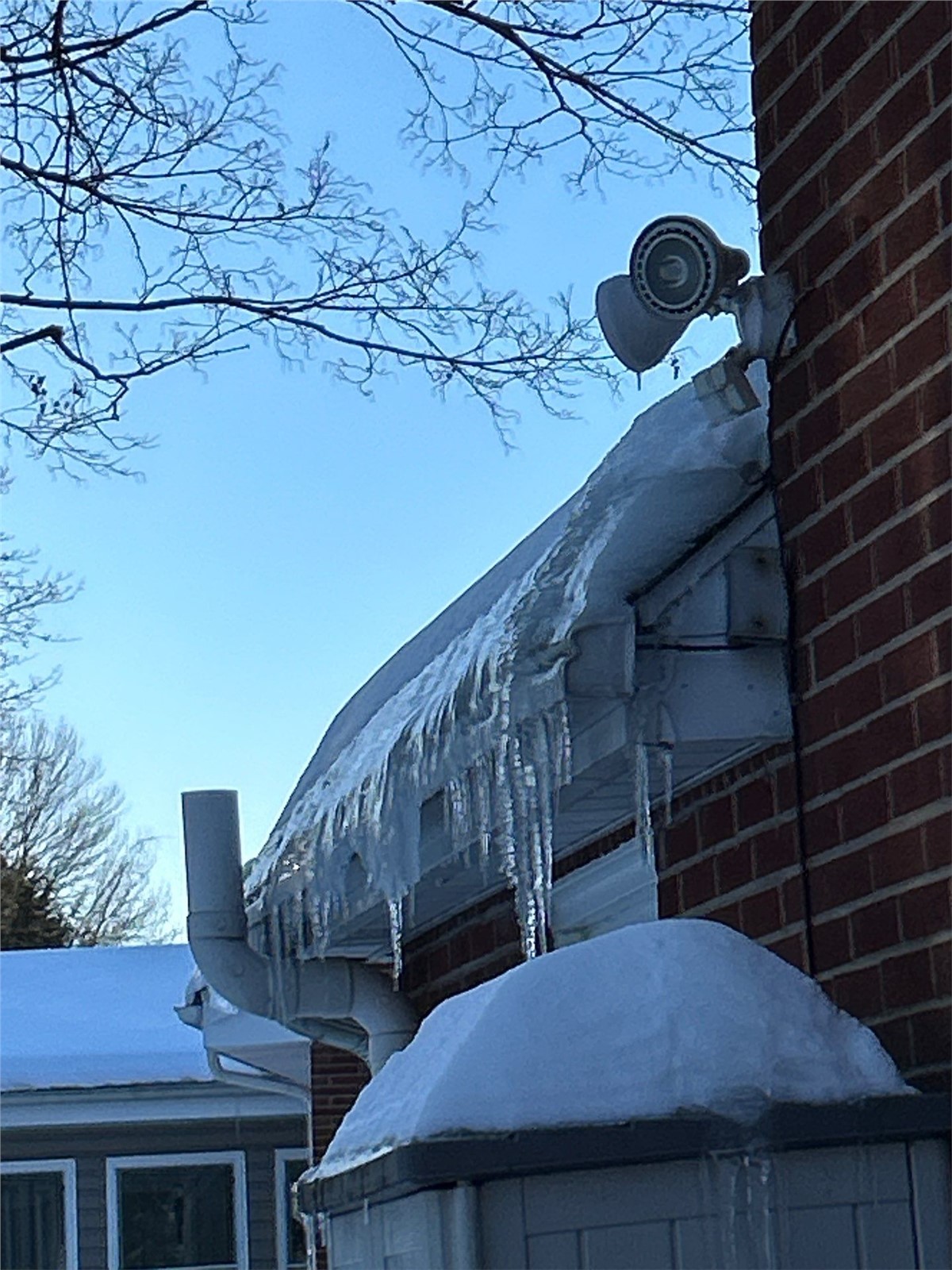
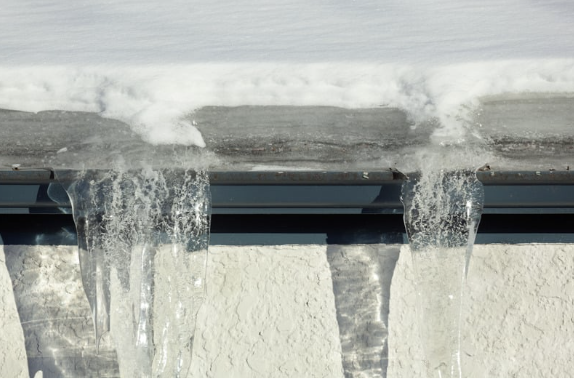
Ice dams are one of the most common winter roofing issues in Western Pennsylvania. When heat escapes through the attic, it melts snow on the roof. That melted water travels downward and refreezes at the colder eaves, creating a ridge of ice.
As water backs up behind that ice ridge, it can push beneath shingles and saturate the roof deck.
Even after the ice dam melts, damage may remain:
Wet insulation in the attic
Warped decking
Mold growth
Damaged fascia or soffit
Compromised shingle edges
A post-winter inspection allows roofing professionals to assess whether ice damming has affected your roofing system beyond the surface.
Spring Storm Season Is Coming
In Pittsburgh, spring brings heavy rain, wind, and sudden temperature changes. If your roof sustained winter damage, those early spring storms can quickly turn minor issues into interior leaks.
Catching problems now means:
Preventing emergency repairs
Avoiding interior drywall and ceiling damage
Protecting insulation and framing
Reducing long-term repair costs
Waiting until you see a stain on the ceiling usually means water has already traveled through multiple layers of your home.
Roof Inspections Help Protect Home Value
For homeowners planning to sell in spring or summer, a roof inspection is especially important. Buyers and home inspectors will evaluate the condition of the roof, and unresolved winter damage can delay or complicate a sale.
Knowing the condition of your roof early allows you to:
Make necessary repairs proactively
Provide documentation of roof health
Avoid last-minute negotiations
Protect your resale value
A well-maintained roof adds confidence for buyers.
Energy Efficiency and Attic Performance
Winter damage is not limited to shingles. Attic ventilation and insulation performance also play a major role in roof health.
During a post-winter inspection, professionals can evaluate:
Signs of improper ventilation
Frost or condensation in the attic
Uneven snow melt patterns
Heat loss indicators
Moisture buildup
Correcting ventilation and insulation issues not only extends roof life but can also improve home comfort and reduce energy costs.
What a Professional Roof Inspection Includes
At EAS Roofing, our post-winter roof inspections focus on the entire roofing system, not just visible shingles.
Our inspections typically evaluate:
Shingle condition and granule loss
Flashing integrity
Chimney and vent penetrations
Ridge and hip areas
Eaves and drip edge
Gutter attachment and drainage
Attic ventilation
Signs of moisture intrusion
Overall system performance
We look at how your roof performed under winter stress — because that performance tells us how it will handle the rest of the year.
The Best Time to Schedule Is Now
The snow has melted. The ice has cleared. The damage, if any, is finally visible.
Spring schedules fill quickly in Pittsburgh, especially after a heavy winter. Scheduling your roof inspection early allows you to plan repairs on your timeline instead of reacting during peak storm season.
Your roof just endured months of winter conditions. Now is the time to make sure it came through intact.
Schedule Your Post-Winter Roof Inspection Today
At EAS Roofing – The Pittsburgh Roofer, we help homeowners throughout Pittsburgh and surrounding areas protect their homes after winter.
If you experienced ice dams, heavy snow accumulation, or simply want peace of mind heading into spring, now is the ideal time for a professional roof inspection.
The snow may be gone — but what winter left behind matters.
Contact EAS Roofing today to schedule your inspection and ensure your roof is ready for the seasons ahead. 🐐
Subscribe to EAS Roofing's Blog




Comments