Ice Dams Are One of the Most Common Winter Roof Problems in Pittsburgh
Pittsburgh winters bring a perfect storm of conditions for ice dams: heavy snowfall, freezing nights, daytime thaws, and older housing stock with under-insulated attics. Ice dams don’t just look bad — they can cause serious roof leaks, interior water damage, mold growth, and long-term structural issues.
Many homeowners don’t realize ice dams are forming until water shows up inside their home, often far from where the problem actually started.
What Exactly Is an Ice Dam?
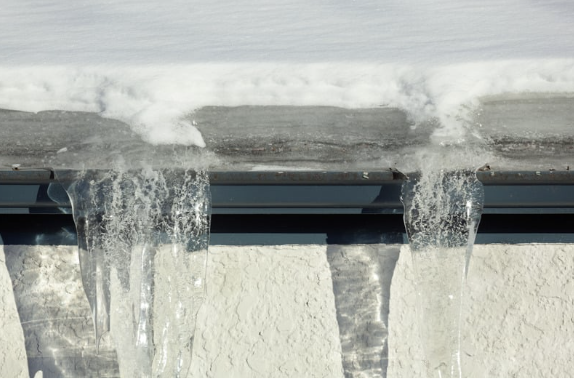
An ice dam forms when snow on your roof melts due to heat escaping from the attic. As the melted snow runs down toward the colder edges of the roof, it refreezes. Over time, this creates a ridge of ice along the eaves.
As more snow melts, water backs up behind the ice dam with nowhere to go. That trapped water is then forced underneath shingles and into your roof system.
Unlike rain, this water moves upward, bypassing normal drainage paths and penetrating areas not designed to handle moisture.
Why Ice Dams Are So Common in Pittsburgh Homes
Several factors make Pittsburgh especially vulnerable:
Frequent freeze-thaw cycles throughout winter
Older homes with outdated insulation standards
Uneven roof temperatures caused by heat loss
Poor attic ventilation trapping warm air
Blocked or frozen gutters preventing proper drainage
Even newer homes can experience ice dams if insulation or ventilation was improperly installed.
Warning Signs of Ice Dam Damage
Ice dams don’t always announce themselves clearly. Watch for these red flags:
Large, thick icicles hanging from gutters
Ice buildup along roof edges
Water stains on ceilings or walls
Bubbling or peeling paint near exterior walls
Dripping water inside during cold weather
Musty smells or mold growth
By the time you see interior damage, moisture may already be affecting insulation and roof decking.
How Ice Dams Damage Your Home
Ice dams don’t just affect shingles. They can lead to:
Rotted roof decking
Wet or compressed attic insulation
Mold growth inside walls and ceilings
Damaged drywall and paint
Electrical hazards
Reduced roof lifespan
These repairs often cost far more than preventive measures.
How to Prevent Ice Dams (The Right Way)
Temporary fixes like salt socks or roof raking help short-term, but true prevention starts inside the attic.
1. Improve Attic Insulation
Proper insulation prevents warm air from escaping and melting snow unevenly.
2. Upgrade Attic Ventilation
Balanced intake and exhaust ventilation keeps roof temperatures consistent.
3. Seal Air Leaks
Sealing attic penetrations around vents, chimneys, and access points stops heat loss.
4. Install Ice & Water Shield
This waterproof underlayment protects vulnerable roof edges from water intrusion.
5. Schedule a Professional Roof Inspection
A local roofing professional can identify ice dam risks before winter damage spreads.
In Pittsburgh, ice dams are preventable — but only when the root cause is addressed.
Subscribe to EAS Roofing's Blog





Comments