When most homeowners think about a roofing inspection, they picture a contractor walking across the shingles, checking flashing, gutters, and the visible surface. But the truth is this: a roof cannot be fully evaluated without inspecting the attic. Your attic tells the story of your roof’s health long before the shingles ever show signs of trouble.
At EAS Roofing, we include attic inspections as a core part of our evaluation because it protects your home, your investment, and your peace of mind. Here’s why the attic plays such a critical role in an accurate, reliable roofing inspection.
1. Attic Inspections Reveal Hidden Leaks Before They Spread
Water intrusion doesn’t always show up immediately on your ceilings. In fact, many leaks start small—between layers of decking, around nail holes, or near ventilation penetrations—and the attic is the first place those signs appear.
During an attic inspection, our team checks for:
Dark or damp spots on the wood decking
Water staining on rafters or insulation
Mold or mildew caused by moisture buildup
Soft or deteriorating wood
Catching leaks inside the attic early can prevent thousands of dollars in damage to ceilings, drywall, flooring, and personal belongings.
2. Proper Ventilation Can Only Be Assessed From Inside the Attic
Ventilation is one of the most overlooked parts of a roofing system—but it has some of the biggest impacts on roof longevity. A poorly ventilated attic can cause:
Shingle deterioration and blistering
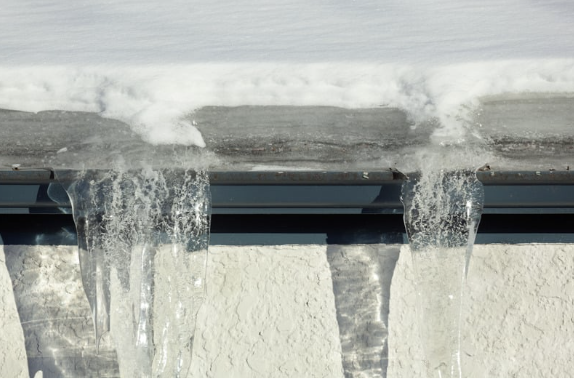
Ice dams in winter
Excess heat buildup in summer
Premature roof aging
Higher energy bills
From inside the attic, our EAS Roofing inspectors check airflow, baffles, insulation coverage, and the balance between intake and exhaust ventilation. This ensures your roof system performs the way it should—season after season.
3. Mold Growth Often Starts in the Attic
Your roof may look fine from the outside, but hidden moisture or poor airflow can cause mold colonies to form on attic sheathing and framing. Left untreated, mold spreads quickly and can:
Damage wood structure
Affect indoor air quality
Trigger allergies or respiratory issues
Signal a deeper moisture problem
Attic inspections allow us to identify mold at its earliest stages and recommend solutions before the issue becomes dangerous or expensive.
4. Insulation Issues Can Impact Your Roof’s Health
Most homeowners don’t realize that insulation plays a direct role in roof performance. If insulation is blocking ventilation pathways or is uneven, compressed, or saturated, it can trap moisture and cause rot.
In the attic, we evaluate:
Insulation levels
Moisture content
Proper spacing around vents
Signs of animal nests or damage
Well-maintained insulation improves home comfort and protects the roof structure.
5. An Attic Inspection Confirms Whether the Roof Is Installed Correctly
Even a new roof can fail if it wasn’t installed according to manufacturer guidelines. From inside the attic, we can often spot installation issues that may not be visible from above the shingles.
These include:
Improper nail length or placement
Gaps in decking
Missing underlayment
Unsealed penetration points
Structural sagging or weaknesses
This level of insight helps homeowners make informed decisions and ensures warranty compliance.
6. Peace of Mind That the Entire Roofing System Is Working Together
A healthy roof is more than shingles—it’s a system. The attic is the only place where we can see how all the components come together:
Decking
Underlayment
Ventilation
Insulation
Flashing
Structural supports
A full attic inspection ensures every part of your roofing system is doing its job to protect your Pittsburgh home.
If your contractor isn’t checking your attic, you’re not getting a full roof inspection. The attic is where leaks begin, ventilation issues start, mold grows, and installation concerns reveal themselves. At EAS Roofing, we take the extra step because your home deserves the GOAT of inspections—thorough, detailed, and built to protect your investment.
Tags
Subscribe to EAS Roofing's Blog
Comments