Your gutters do a lot more than move rainwater away from your home—they protect your roof, siding, foundation, landscaping, and even your basement. When they’re working correctly, you probably never think about them. But when they clog, overflow, or pull away from the home, problems can show up fast and get expensive.
Gutters deal with different challenges in every season, and giving them proper attention throughout the year can extend the life of your roof and minimize the risk of costly damage. Here’s a complete guide to keeping your gutters protected from spring to winter.
Spring: Clearing Out Winter’s Leftovers
As Pittsburgh warms up, the first big task of the season is clearing out what winter left behind. Snow, ice, wind, and cold temperatures can take a toll.
What to watch for in spring:
Built-up debris from late fall and winter wind
Downspouts clogged with leaves, pine needles, or small branches
Sagging gutters caused by heavy snow load
Damage from ice dams
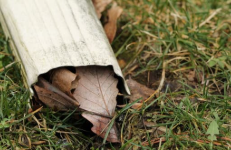
Spring is also when Pittsburgh gets some of its heaviest rainfall. Clean gutters allow water to move away quickly, reducing the chance of leaks, overflowing gutters, and soil erosion around your foundation.
Spring maintenance tips:
Do a full gutter clean at the start of the season
Check all brackets, screws, and hangers for loosening
Ensure downspouts direct water at least several feet from the foundation
Schedule a roof and gutter inspection if you spot ice-dam damage
Summer: Heavy Storms and Sudden Downpours
Summer weather in Western Pennsylvania can be unpredictable—fast storms, strong winds, and long stretches of humidity can all affect your gutters.
Common summer gutter problems:
Gutters overflowing during heavy rain
Downspouts backing up
Vegetation growing inside gutters (yes, it happens!)
Rust or corrosion forming on older metal gutters
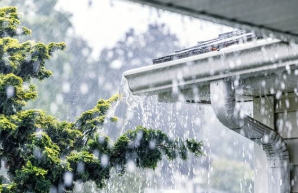
Because summer often brings fast, heavy rainfall, even a partial blockage can cause major overflow.
Summer maintenance tips:
After strong storms, take a quick look for sagging or overflowing
Keep trees trimmed so branches don’t drop debris into the gutters
Make sure splash blocks and extensions are secure
Consider gutter guards to help control debris buildup
Fall: The Most Important Gutter Season
Autumn is beautiful in Pittsburgh—but it's the toughest season for your gutters. Changing leaves, acorns, and shedding branches can quickly load gutters with debris. A single windy day can undo weeks of clean gutters.
Why fall gutter protection matters:
Clogged gutters in fall turn into frozen blockages in winter
Standing water increases rust and wear
Overflow can damage siding, walkways, and landscaping
Water can back up under shingles and cause leaks
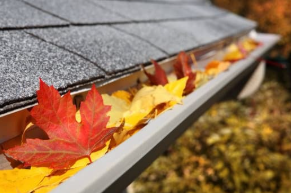
This is the season when homeowners should be most proactive.
Fall maintenance tips:
Clean your gutters at least twice during fall (early and late season)
Make sure all downspouts are completely clear
Inspect for wear, cracks, or joints pulling apart
Install gutter guards before winter sets in
Winter: Freezing, Thawing, and Ice Dams
Once winter arrives, gutters face extreme conditions. Snow, ice, freeze-thaw cycles, and below-freezing temperatures can cause clogging, sagging, or structural stress.
Winter gutter challenges:
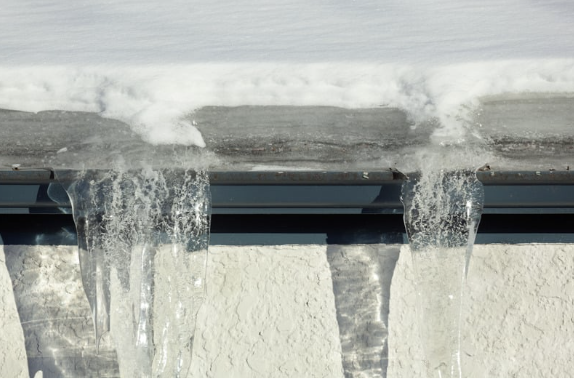
Ice dams forming along the roof edge
Frozen debris adding extra weight
Melting snow overflowing clogged gutters
Icicles forming due to poor drainage
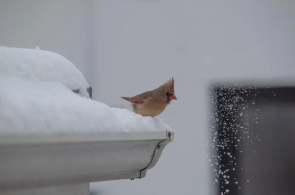
When gutters freeze, they can’t direct water properly—and that can lead to interior leaks or attic moisture.
Winter maintenance tips:
Keep gutters clean before the first snowfall
Make sure attic insulation and ventilation are working properly (key for preventing ice dams)
Do not break or chip ice inside gutters—this can damage them
After warmer winter days, check that melting snow is draining normally
The Case for Gutter Guards
While not mandatory, gutter guards are one of the best investments a homeowner can make—especially in areas with tall trees, high winds, and fast-changing seasons.
Benefits of gutter guards:
Reduce clogs from leaves and debris
Help prevent ice dams by improving winter drainage
Lower maintenance time and cost
Extend the life of gutters and downspouts
Keep birds, rodents, and insects from nesting inside gutters
They don’t replace cleaning entirely, but they dramatically cut down on seasonal buildup.
When to Repair vs. Replace Gutters
Not all gutter problems require a full replacement. Some issues can be fixed with minor adjustments, while others indicate it’s time for a new system.
Repair may be enough if:
A small section is sagging
One or two hangers are loose
A downspout has come disconnected
Caulking has worn down at the seams
Replacement is the better option if:
Gutters are rusting or rotting
They overflow even after being cleaned
They’re pulling away from the house regularly
You notice cracks, holes, or separation at multiple joints
The system is more than 20 years old
A roof inspection will typically reveal the best next step.
Final Thoughts: Year-Round Care Protects Your Home
Your gutters aren’t just an accessory—they’re a major part of your home’s protection system. With the right maintenance and seasonal awareness, you can avoid leaks, ice dams, water damage, and costly repairs.
Staying proactive throughout the year helps ensure your gutters work the way they’re supposed to, no matter what Pittsburgh weather throws at them.
If you ever spot damage, overflow, or something that just doesn’t look right, EAS Roofing is always here to help with inspections, repairs, replacements, and gutter guard solutions tailored to your home.
Tags
Subscribe to EAS Roofing's Blog




Comments